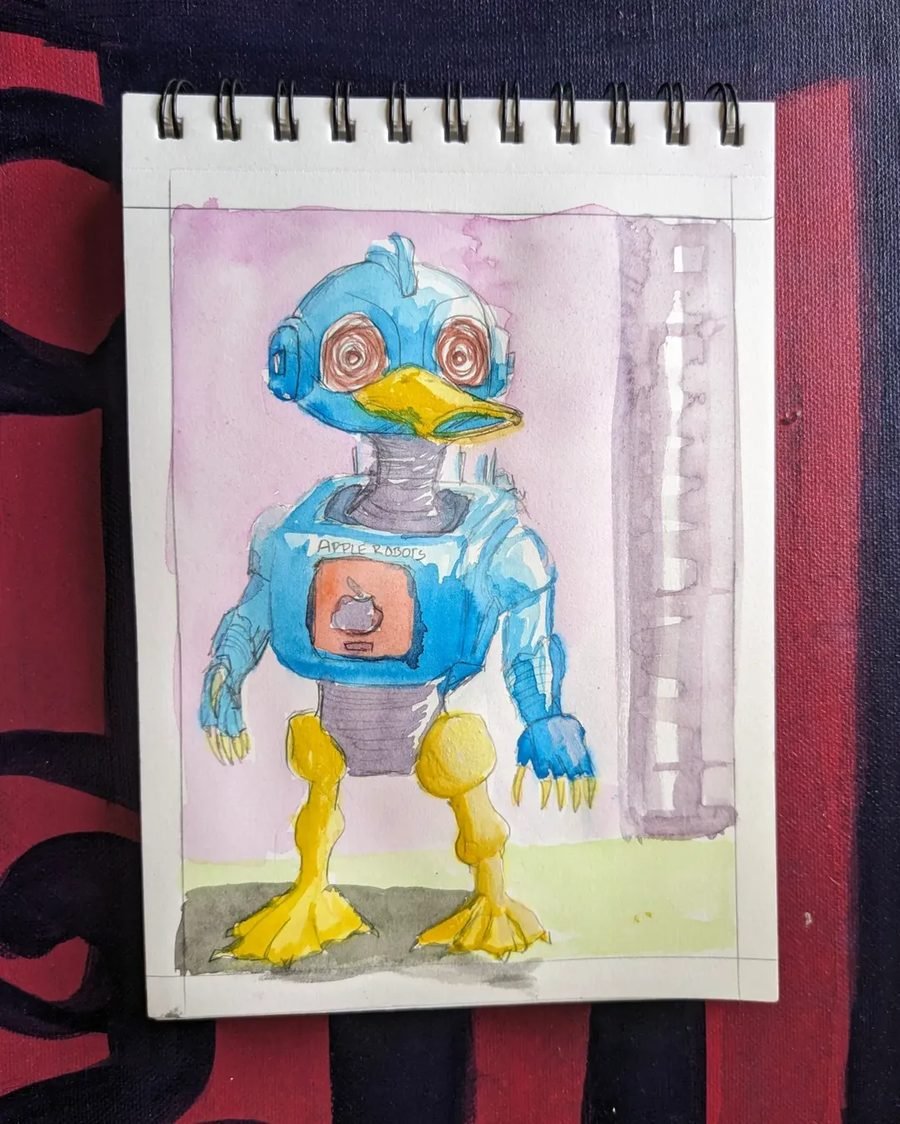
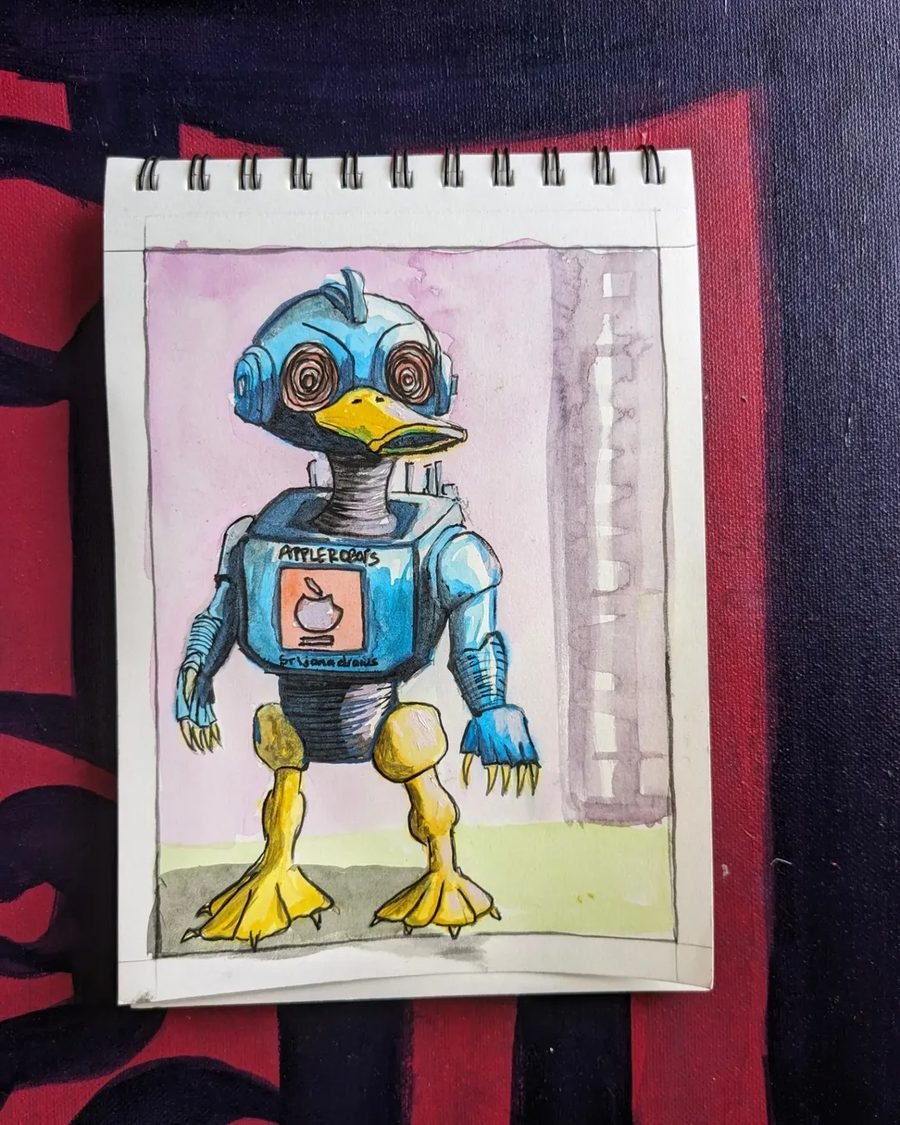
Watercolour, acrylic, and mixed-media artist working across painting, illustration, and installation — drawing on Himalayan and South Asian life, one hand-painted piece at a time.
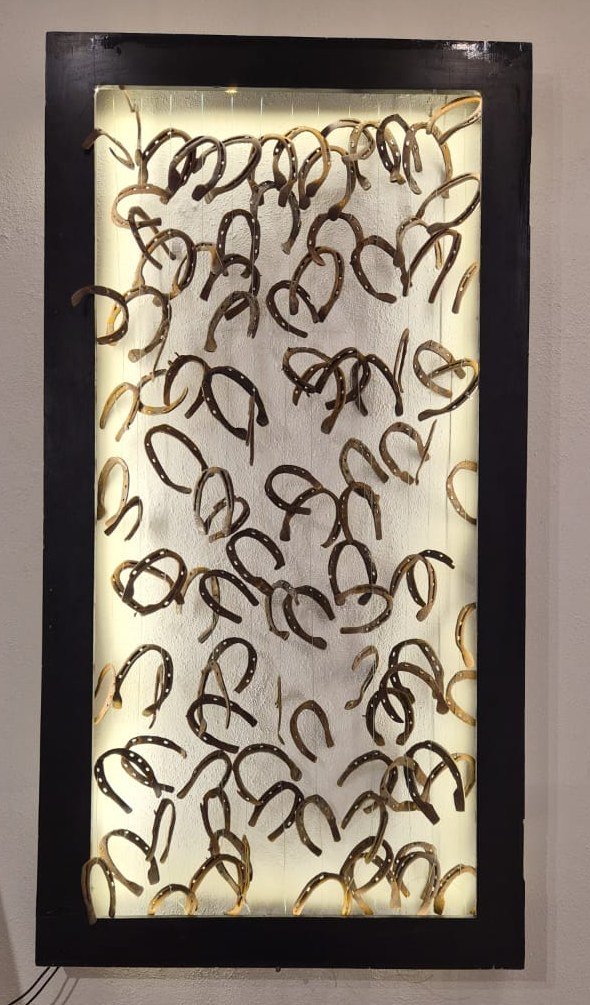
106 authentic horseshoes collected from the historic trade routes of Talung, Haa, suspended and backlit. Visitors can gently move the frame, activating a metallic chime that echoes the bells once worn by cargo ponies on the route to China — each shoe a memorial to a horse left as a stray once its labour was no longer needed.
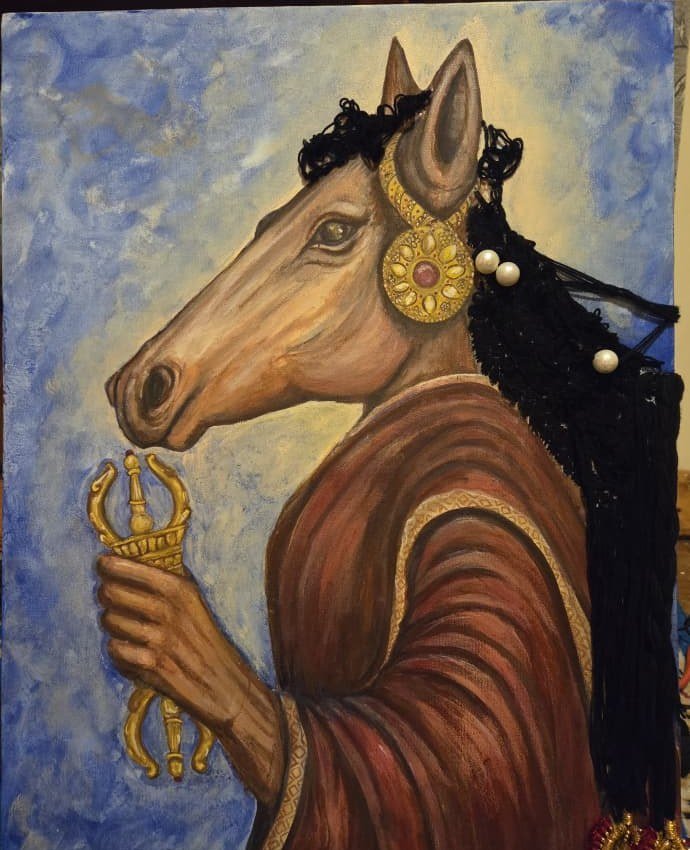
A feminine reimagining of the deity Hayagriva, her hair physically sewn into the canvas and braided with pearls and lacha dhori. Holding a vajra, she represents the liberating power of education — a right too many girls are denied through household duty, early marriage, or missing paperwork.
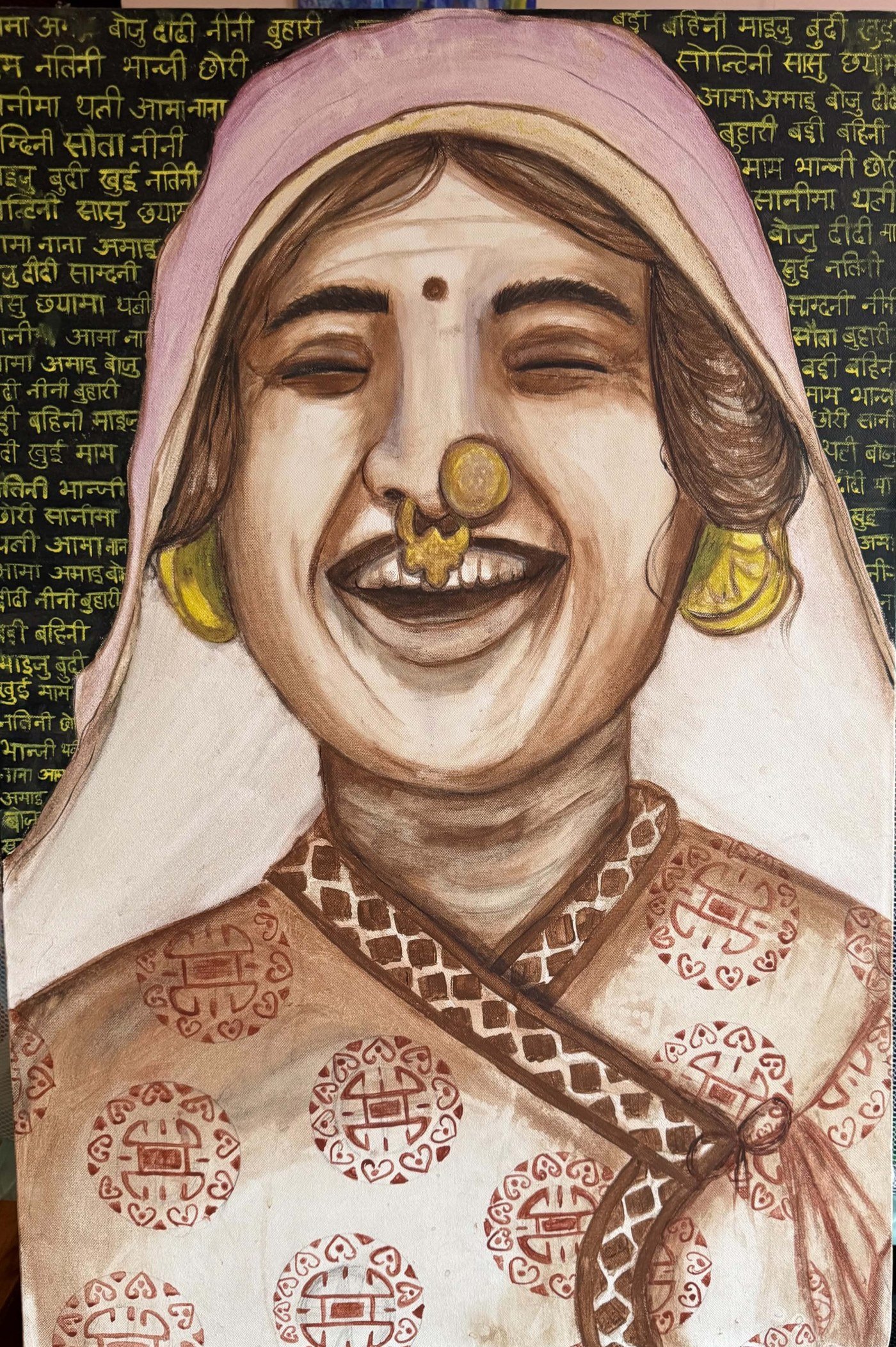
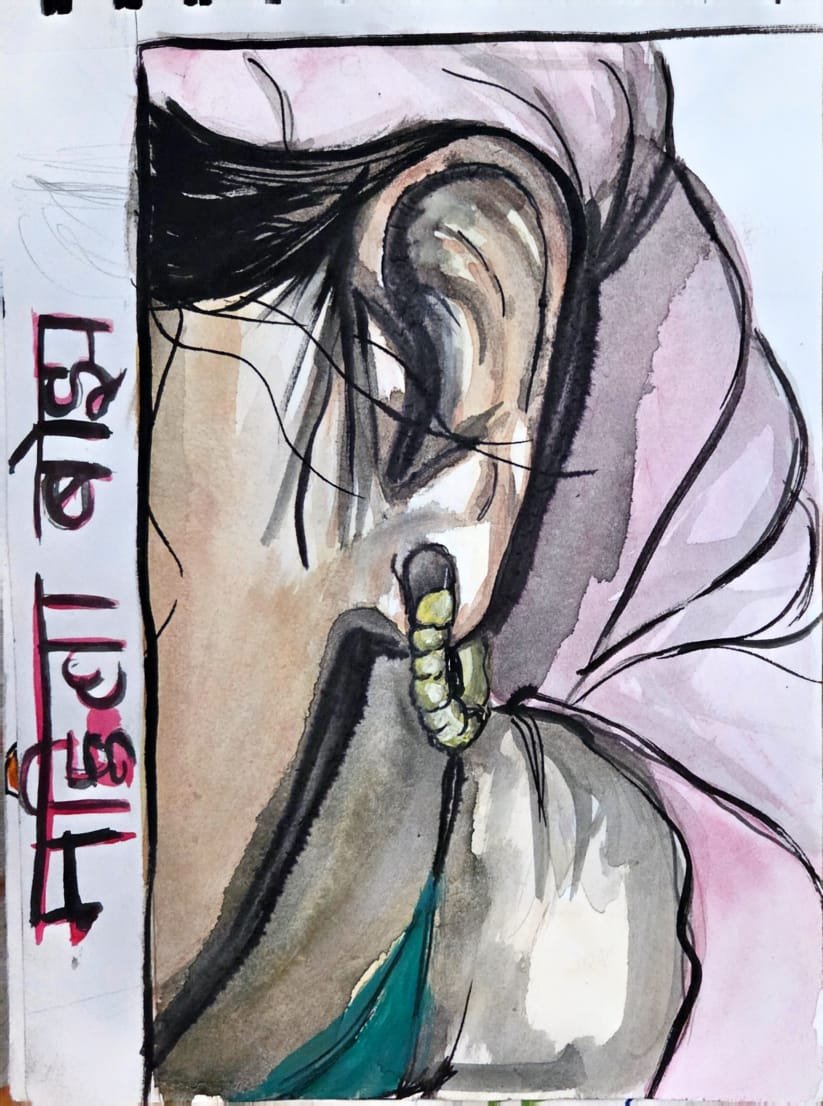
"Aimey" means woman in Nepali. Painted in a dress cut closer to Bhutanese-Tibetan style — a nod to Bhutan's one-nation-one-people dress policy — she has kept her jewellery. Behind her, hand-painted Nepali text names her only by role: chori, aama, chyma, phuphu, kaki, bari — the many names a woman collects instead of her own.
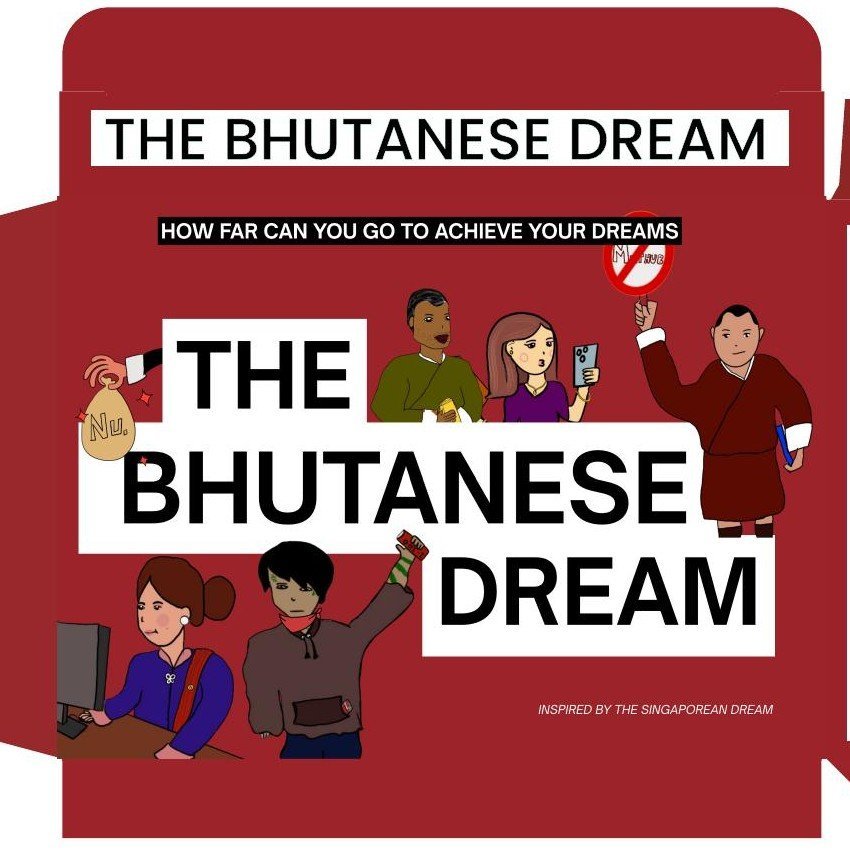
A satirical card game inspired by The Singaporean Dream, illustrated and self-published, launched in early 2026.
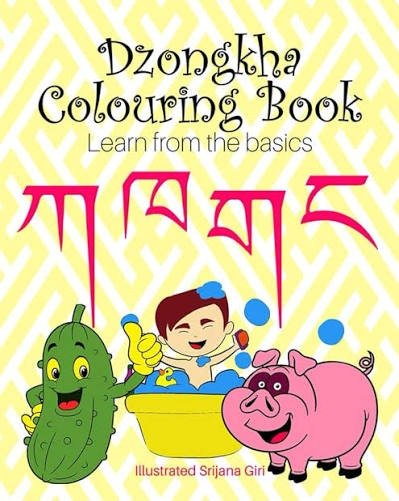
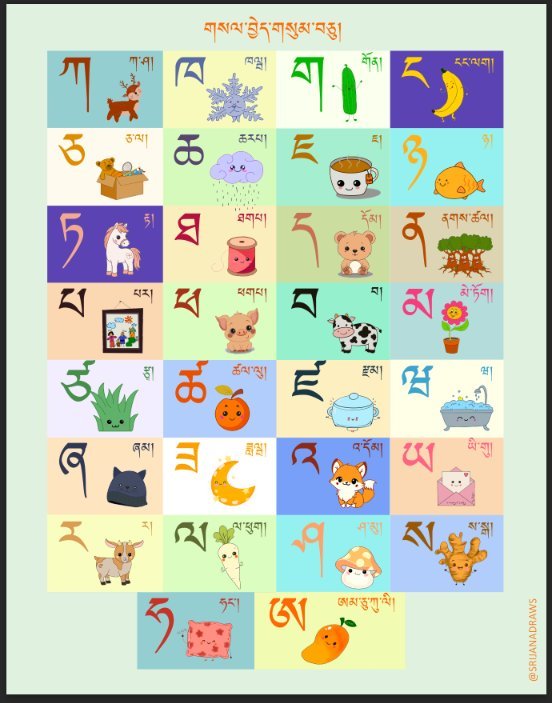
An illustrated colouring book teaching the Dzongkha script, sold in Bhutan and internationally — 1,000+ copies offline, 500+ on Amazon. BICMA Reg. No. 100000940.
A standalone illustrated alphabet chart pairing each Dzongkha letter with a word and character.
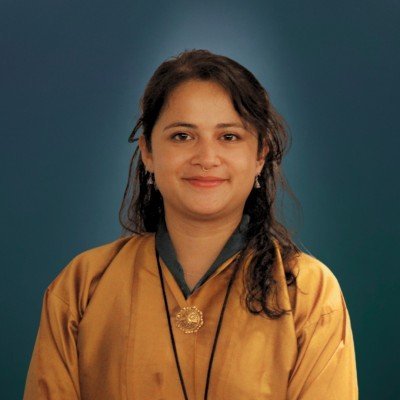
Srijana Giri is a watercolour, acrylic, and mixed-media artist based in Thimphu, Bhutan. Her work moves between painting, illustration, and installation, often drawn from the people and traditions around her — portraits, Himalayan folklore, and family memory alongside satirical illustration and print. Alongside her studio practice, she works in operations and social innovation, and is the creator of The Bhutanese Dream card game and the Dzongkha Colouring Book.
Art is how I stay in conversation with myself. I am a Nepali woman raised in Bhutan, and most days that still feels like holding two threads that were never quite spun into one — so I paint, sketch, and build things by hand as a way of sitting with that instead of resolving it too quickly. It is less a career than a daily practice, closer to meditation than performance: a sketchbook page before the workday starts, a canvas returned to over months, a language relearned one hand-painted letter at a time. I don't think of my work as arriving at answers. I think of it as staying curious about my own identity, my own inheritance, my own community, for as long as it takes — learning and growing a little with every piece, the same way a person does.